O.putty PDocsScience & Space
Related
How Cloudflare Built an Internal AI Engineering Stack on Its Own PlatformPinpointing the Culprit: A New AI Approach to Diagnose Failures in Multi-Agent SystemsHow to Harness DeepSeek's SPCT Method for Next-Level LLM Reasoning at Inference TimeCambridge Scientists Achieve 'Impossible' LED Breakthrough: Insulating Nanoparticles Powered to Emit Pure Near-Infrared LightThe Rise of Compute Capacity Markets: Reshaping Cloud DynamicsBeyond Tatooine: 10 Surprising Truths About Planets in Binary Star SystemsThe Future of Fertility: How Breakthroughs in IVF Are Redefining Conception10 Startling Insights into the Fermi Paradox and the Great Filter

Flight Research at NASA Armstrong: 10 Key Developments and Capabilities

Last updated: 2026-05-08 02:57:05 · Science & Space
Flight Research at NASA Armstrong: 10 Key Developments and Capabilities
Source: www.nasa.gov

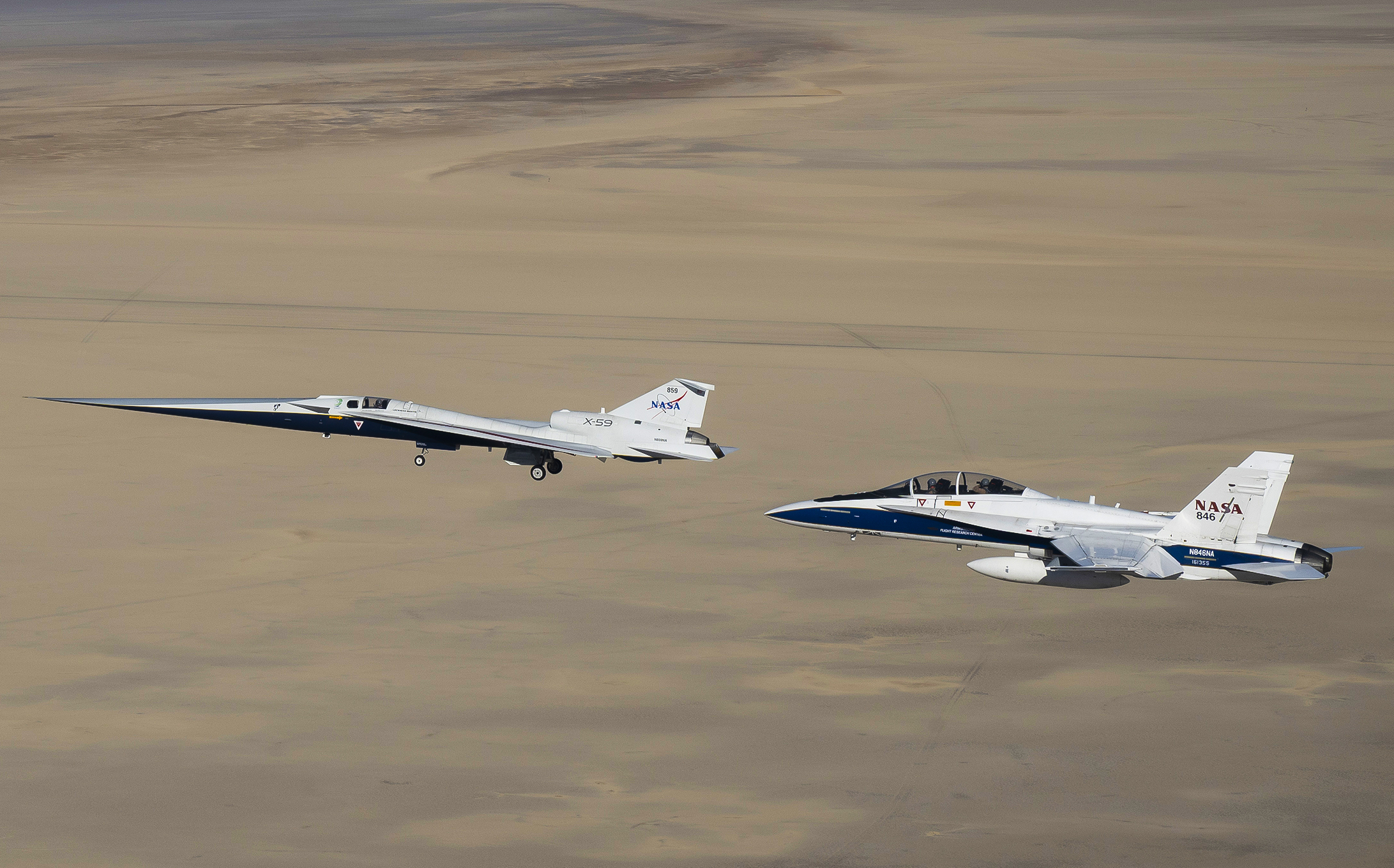
Welcome to the heart of experimental aviation: NASA’s Armstrong Flight Research Center in California’s Mojave Desert. For nearly eight decades, this facility has been at the forefront of aerospace innovation, carrying forward the legacy of pioneers like Neil Armstrong. Today, Armstrong is expanding its fleet with new aircraft—from supersonic jets to versatile turboprops—while continuing to support critical airborne science and aeronautics test missions. The center’s unique blend of skilled personnel, state-of-the-art infrastructure, and a storied past makes it a vital hub for global research. Dive into these 10 essential facts to understand how Armstrong is shaping the future of flight.

Flight Research at NASA Armstrong: 10 Key Developments and Capabilities
Source: www.nasa.gov