Asteroid 2026 JH2 to Skim Earth in Historic Close Approach
A newly discovered asteroid, 2026 JH2, measuring up to 115 feet (35 meters) across — comparable in size to a blue whale — will hurtle past Earth on Monday, May 18, at a distance closer than many communication satellites. The flyby, expected at 12:30 PM EDT, marks one of the nearest passes by an object of this size ever recorded.
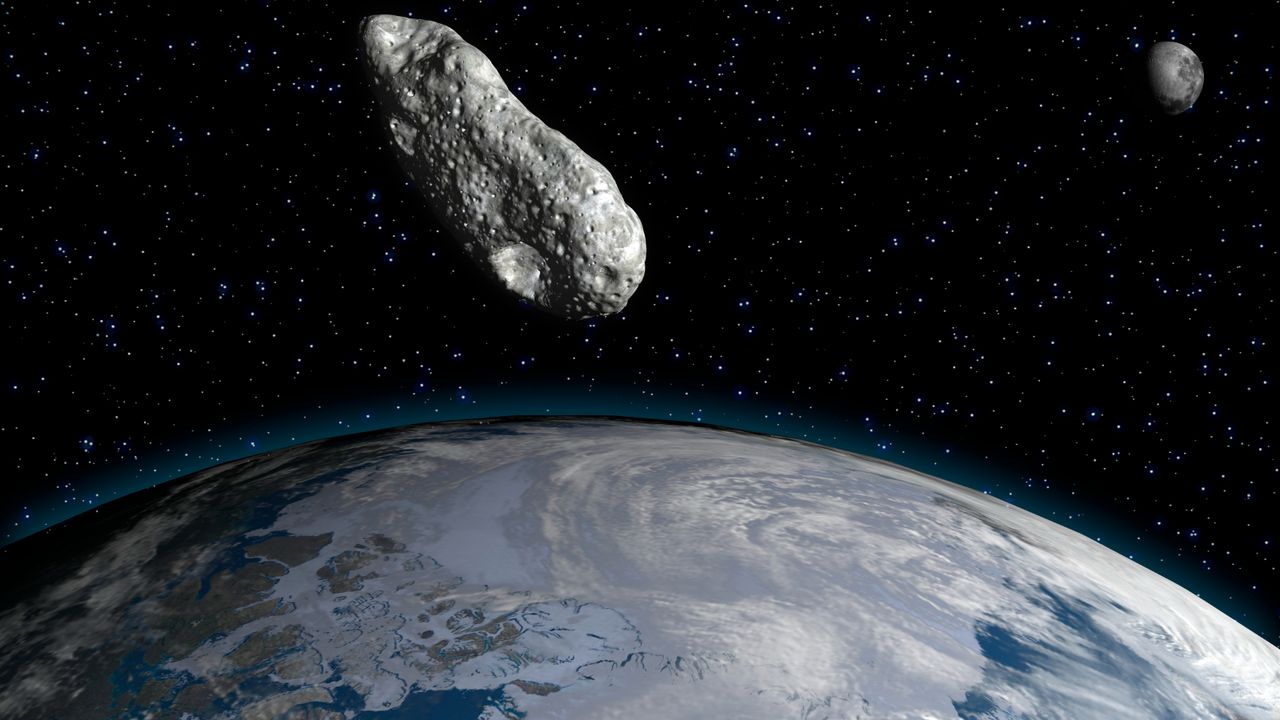
Stargazers and space enthusiasts can watch the event live via a free online broadcast hosted by the Virtual Telescope Project. The asteroid will be visible through small telescopes in the Southern Hemisphere, though its swift motion may require tracking.
"This is an exceptionally close approach for an object this large," said Dr. Sarah Johnson, a planetary scientist at the Jet Propulsion Laboratory. "While there is no risk of impact, it offers a rare chance to study a near-Earth object up close."
Background
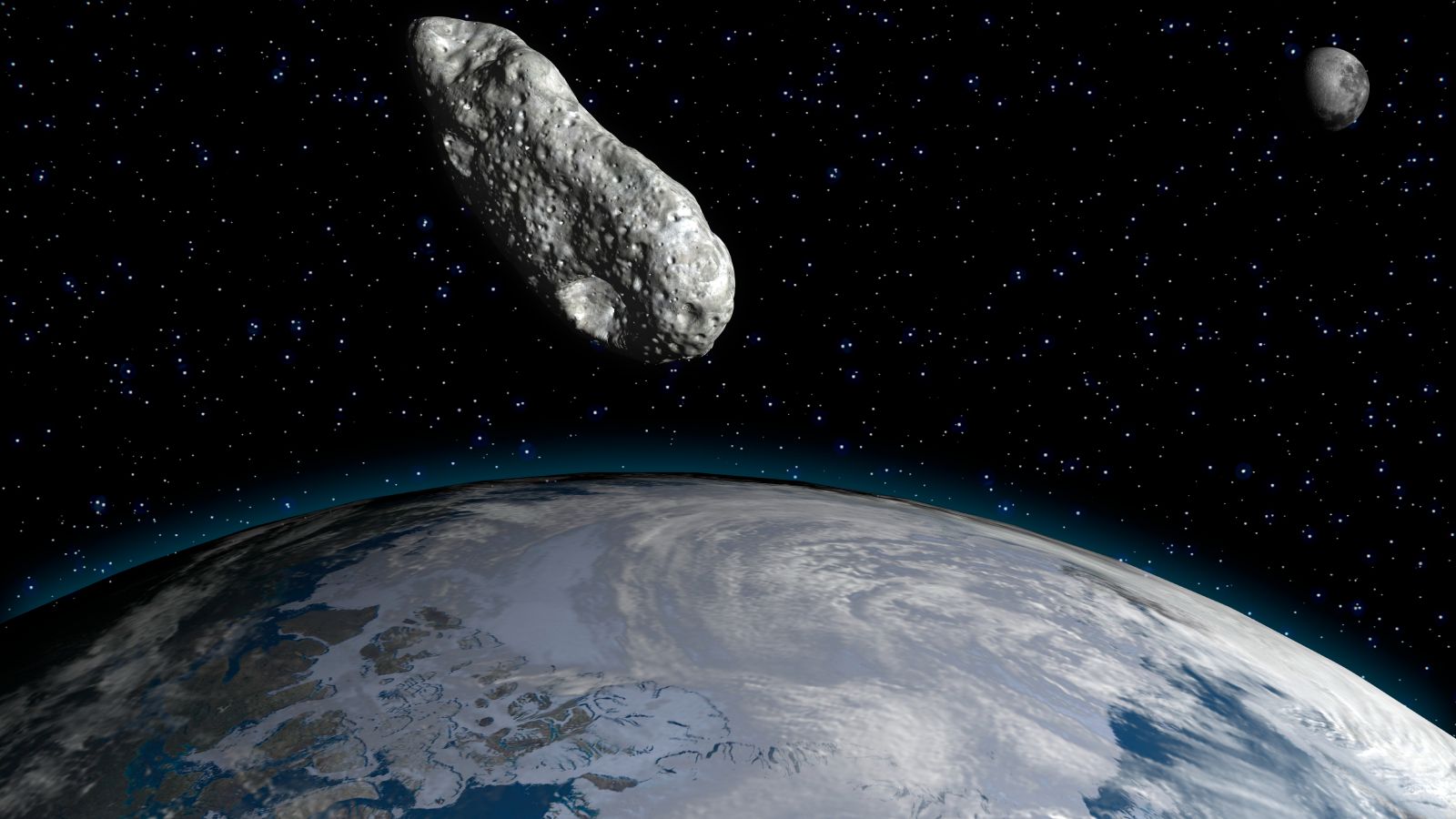
Discovered just days ago by the Catalina Sky Survey in Arizona, 2026 JH2 is classified as a potentially hazardous asteroid due to its size and orbit. Its trajectory will bring it within 20,000 miles (32,000 km) of Earth's surface — well inside the geostationary satellite ring at 22,236 miles (35,786 km).
This proximity makes it one of the top 10 closest asteroid flybys ever recorded. Despite its classification, astronomers confirm it poses no threat to our planet.
What This Means
Such close encounters provide critical data for refining asteroid tracking and deflection strategies. Each near miss helps scientists improve models of how these objects behave under Earth's gravitational pull.
"Events like this underscore the importance of continuous sky surveillance," added Dr. Johnson. "The more we learn, the better prepared we'll be if a genuine threat emerges." The asteroid's next close approach won't occur for decades, making Monday's flyby a must-watch for anyone interested in planetary defense.
How to Watch: The live stream begins at 12:00 PM EDT on virtualtelescope.eu. Viewers will see the asteroid as a fast-moving point of light against the backdrop of stars.
Key Facts
- Size: 75 to 115 feet (23 to 35 meters) wide
- Closest approach: ~20,000 miles from Earth
- Speed: 24,000 mph (38,600 km/h)
- Discovery: May 10, 2026
For more information, see our background and what this means sections.